 Rasmetak guides · Alcohol vs acrylic
Alcohol or acrylic markers? The difference, simply
The short answer
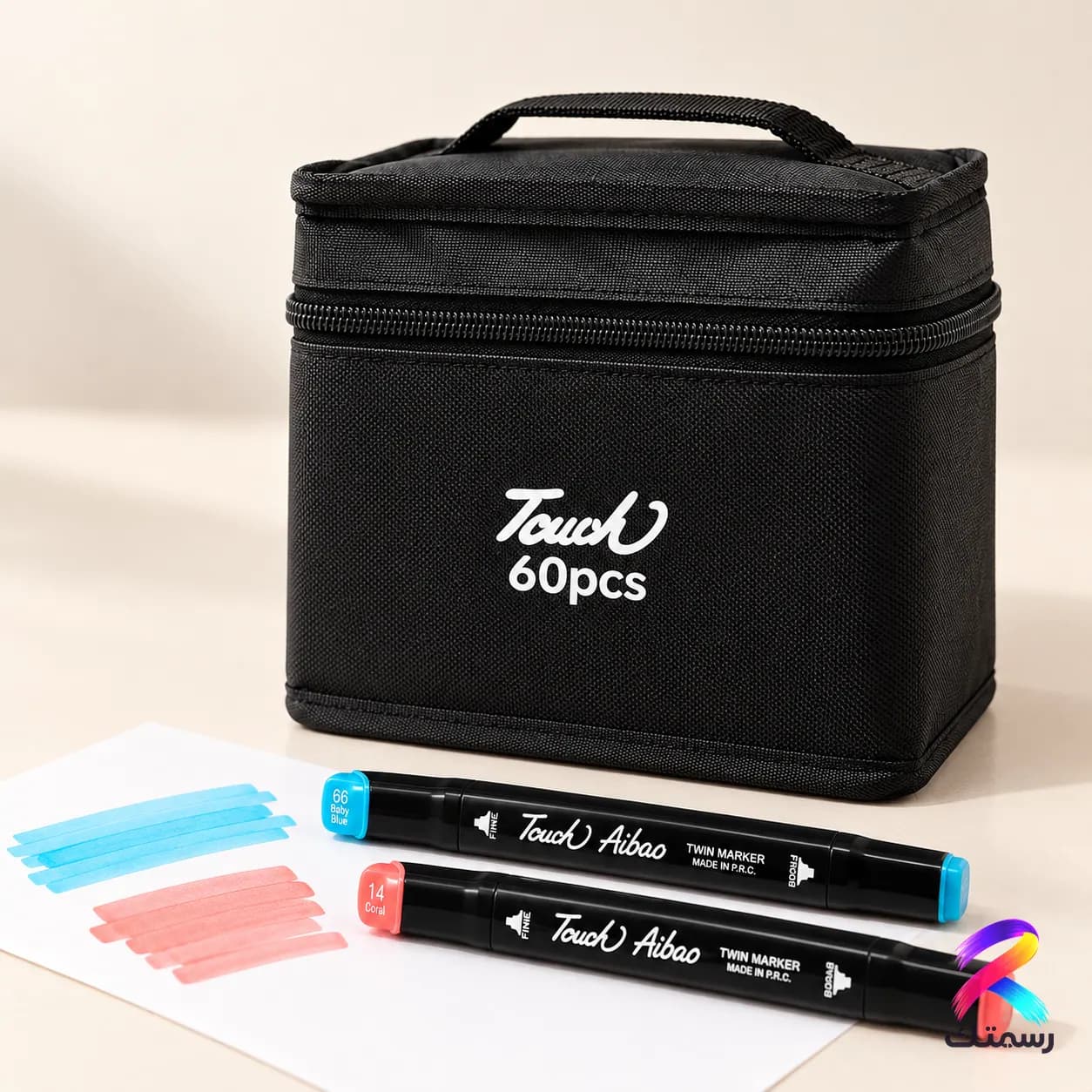
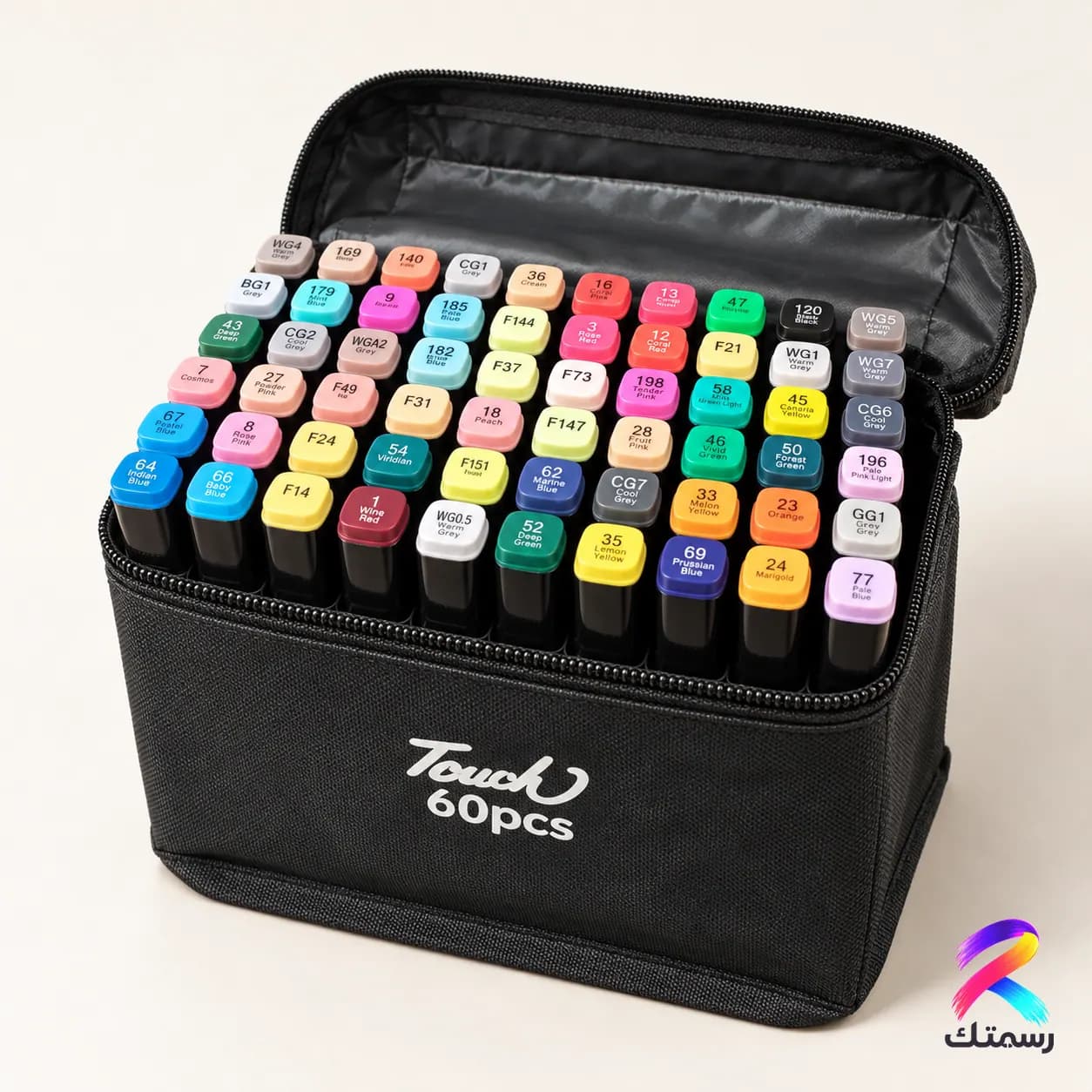
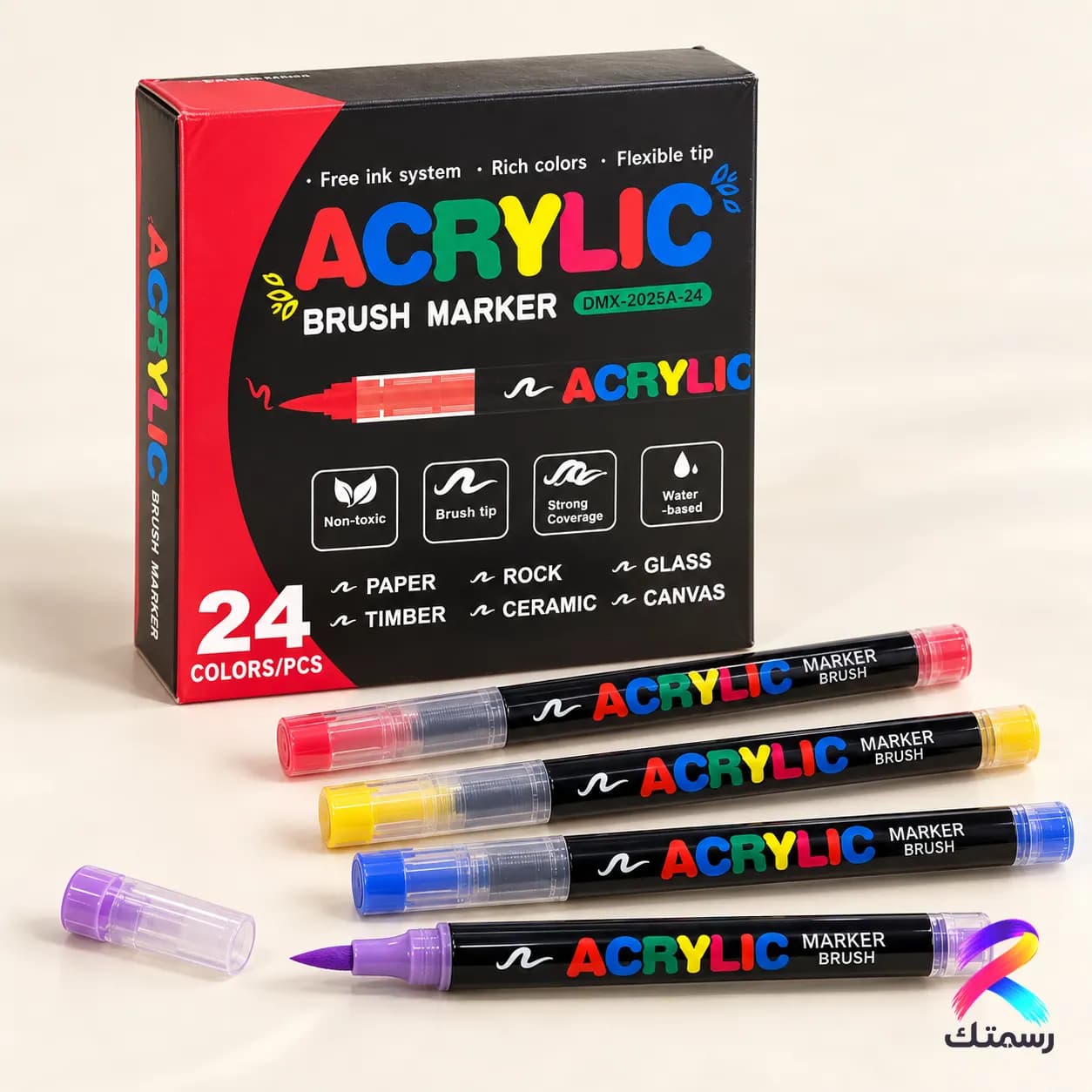
Alcohol markers give translucent ink that blends smoothly and is made for paper: colouring, colouring books, anime and renders. Acrylic markers give opaque paint that covers what's underneath, grips many surfaces such as wood, stone, canvas and card, and shows up on black paper. So for colouring on paper choose alcohol, like the Touch 60-colour box at JD 8, and for crafts and decorating choose acrylic, like the 24-colour set at JD 9. If you want both, the Alcohol + Acrylic Duo at JD 21.5 has a 60 alcohol box, 24 acrylic markers and an A3 marker pad.
Last updated:

In this guide (5 sections)
What's the difference between alcohol and acrylic markers?
It all comes down to the ink. An alcohol marker's ink is dissolved in alcohol: the paper soaks it up, it dries fast and it's slightly see-through, so two colours blend without streaks. An acrylic marker holds water-based acrylic paint, as our boxes say: it sits on top of the surface, covers what's underneath and grips surfaces that alcohol ink doesn't.
| Point | Alcohol (Touch) | Acrylic |
|---|---|---|
| Look | Translucent and bright; layers show through each other | Opaque; hides what's underneath |
| Blending | Easy and smooth while still wet | Hard; colours keep crisp edges |
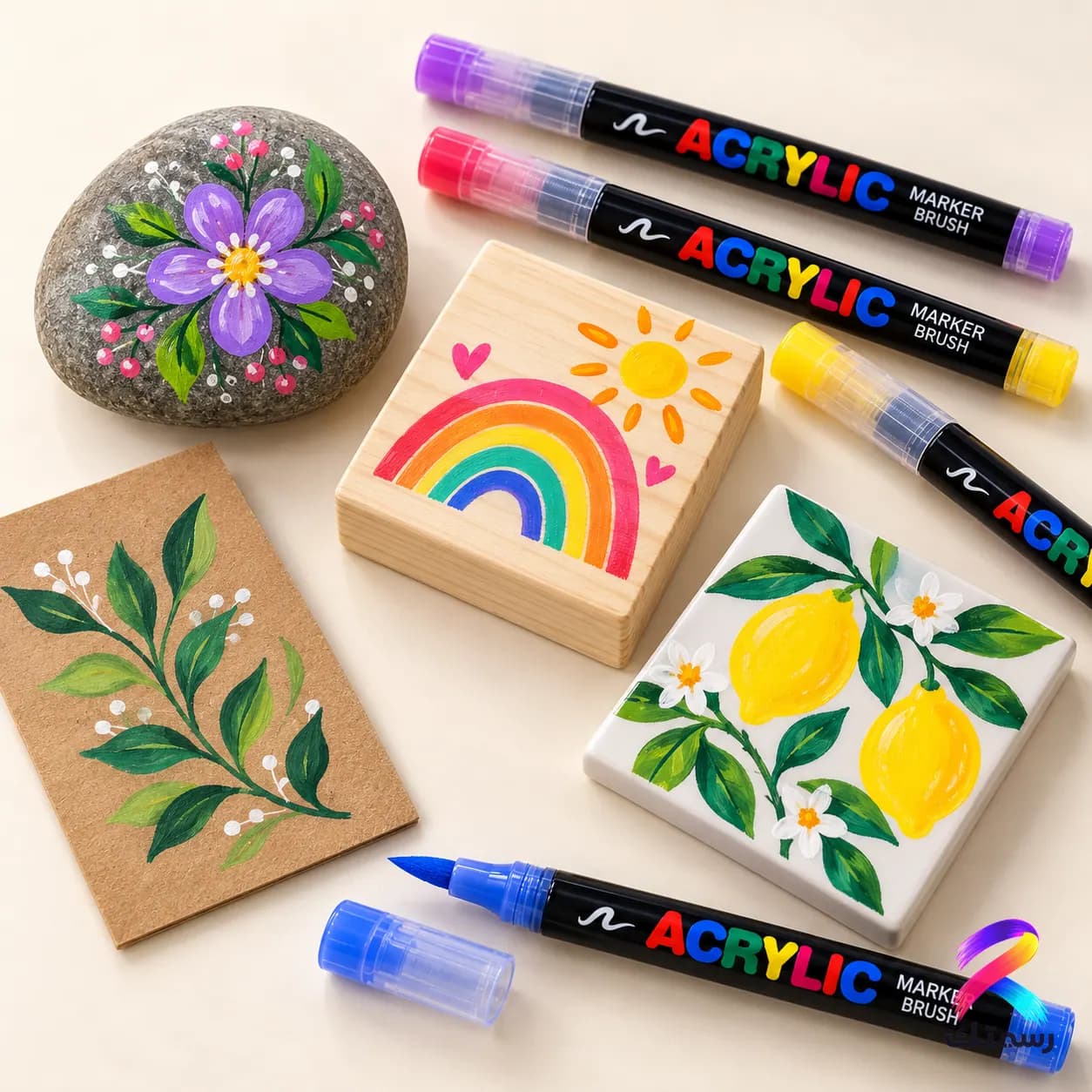
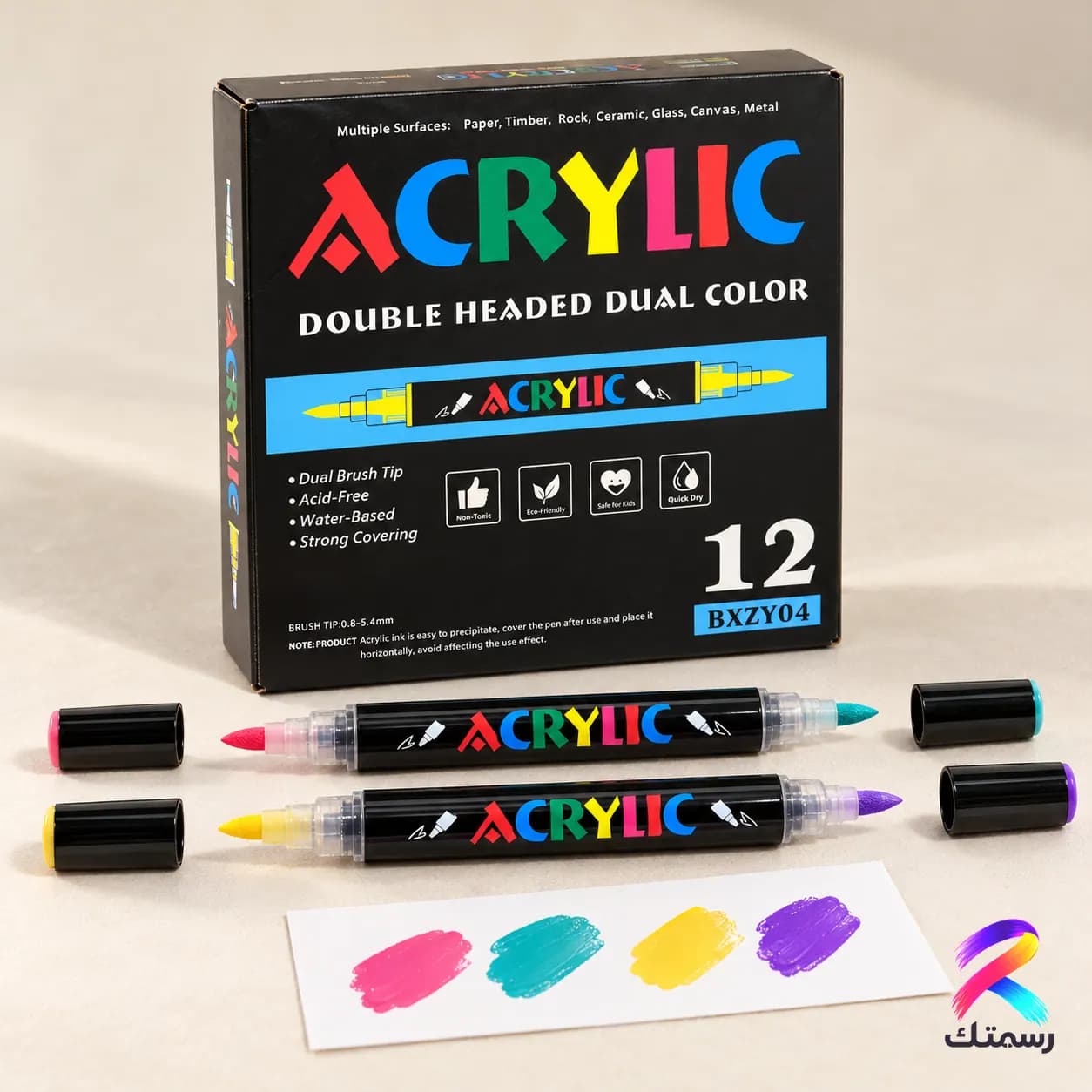
| Surfaces | Paper and white card | Paper, card, wood, stone and canvas; the boxes also list ceramic and glass |
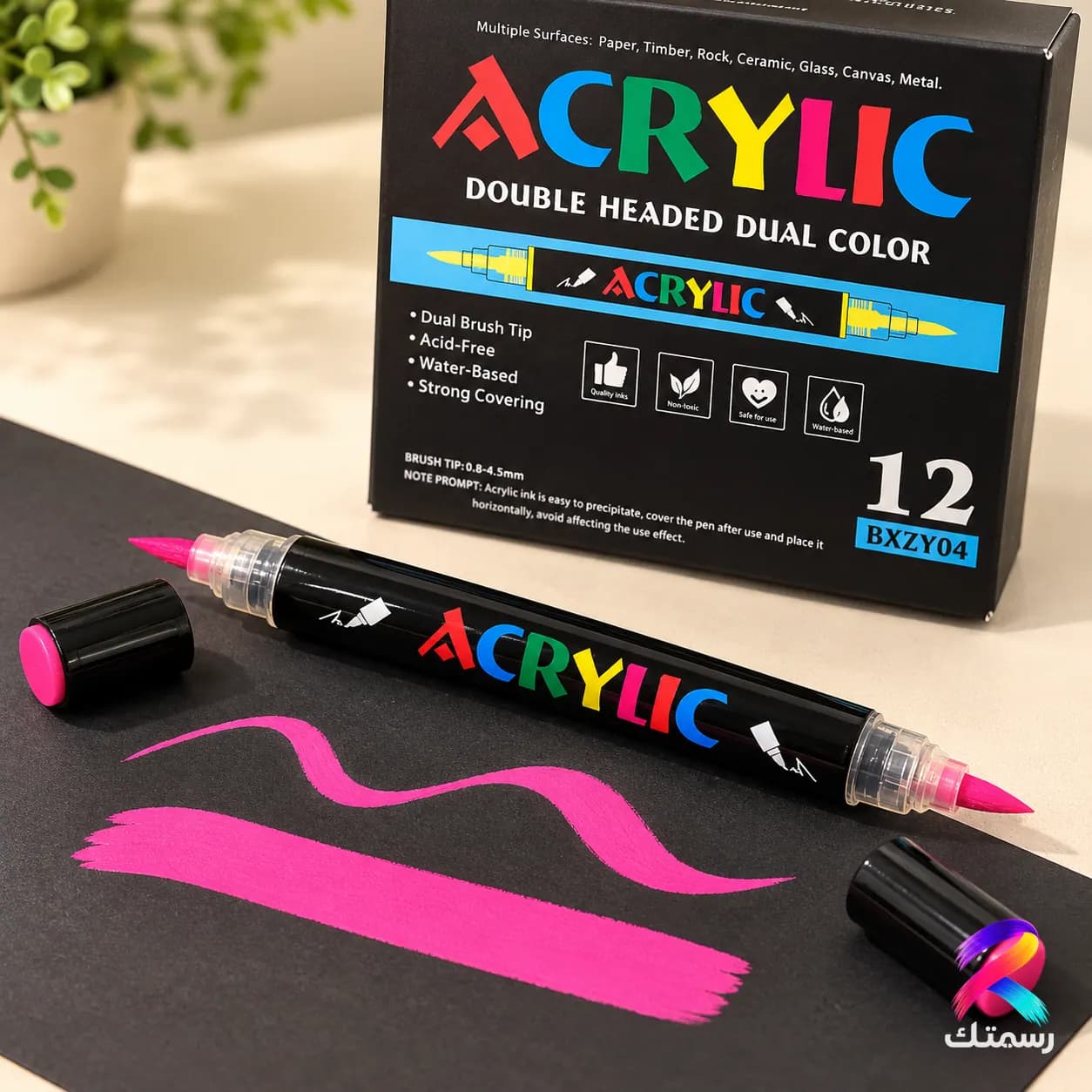
| On dark paper | Barely shows | Shows clearly |
| Bleed-through | Bleeds through light paper; needs heavier paper | Less, because it sits on the surface |
| Tips in our sets | Twin: broad chisel and fine bullet | Brush tip; the double-ended set has two colours per pen |
| Price today | From JD 4 (24 colours) to JD 15 (120) | JD 9 (24 pens) or JD 10 (12 pens, 24 colours) |
| Best for | Colouring books, anime, architectural renders and shading | Mugs, rocks, wood and canvas, and light details on dark |
Surfaces and tips are as printed on our boxes and product pages. Always test on the edge of the piece first.
Which one suits your project?
Colouring books, anime and renders: alcohol
For colouring on paper, alcohol markers are the starting point: smooth gradients and shading without streaks. They do bleed through light paper, so slip a sheet under the page. More in the paper guide, and for cozy books in our guide to markers for cozy and Bobbie Goods-style books.
Mugs, rocks, wood and canvas: acrylic
To paint a ceramic mug, a rock, a piece of wood or a canvas, acrylic is what grips and covers. On black paper or coloured card, acrylic shows up and alcohol ink doesn't.
Cards and handmade gifts: both
Alcohol for smooth colour on white card, acrylic for lettering, patterns and details that need to stand out on top.
Can you use them together?
Yes, and it's one of the nicest tricks: colour with alcohol markers first, let it dry, then add acrylic touches on top — highlight dots, light lines, small details in eyes or along edges. Acrylic covers alcohol ink, but not the other way round: alcohol ink won't blend over acrylic paint and can smudge it. The rule: alcohol underneath, acrylic on top.
To get both in one order: the Alcohol + Acrylic Duo has a 60 alcohol box, 24 acrylic markers and an A3 marker pad for JD 21.5, and the Complete Artist Pack has a 120 box, 24 acrylic markers, the A3 pad and a Cozy Corner-style colouring book for JD 32. Orders of JD 30 or more ship free.

Tips for painting surfaces with acrylic
- Test first: draw a small line on the edge or underside of the piece, let it dry and see how well it holds.
- Clean the surface: wipe dust and grease off the mug or rock, and make sure it's dry before you paint.
- Layer by layer: if the colour looks thin, let the first coat dry, then add a second.
- Let it dry properly: on glass and ceramic the paint takes longer than on paper, so don't touch it too soon.
- Seal decorative pieces: a coat of clear varnish protects the design from scratches. We don't sell varnish at the moment.
- Mugs: keep the design on the outside, away from the rim and anywhere food or drink touches, and hand-wash gently. We can't promise a design survives a lot of washing.
- Store pens lying flat: cap them after use and keep them horizontal, as the double-ended box says, because the paint settles. If the colour comes out pale, cap the pen and give it a gentle shake.
Frequently asked questions
Which is better for colouring books?
Alcohol markers: they blend into smooth colour without streaks. Put a sheet under the page because they bleed. Keep acrylic for finishing touches and small details.
Does acrylic stay on mugs?
It grips ceramic and glass if the surface is clean and dry, but scratches more easily on smooth surfaces. Paint the outside, away from the rim, let it dry well and hand-wash gently. We can't promise the design survives a lot of washing.
Can I use acrylic on top of alcohol marker?
Yes, and that's the right order: alcohol underneath, then acrylic on top for details and highlights once it's dry. The other way round doesn't work well.
What's the difference between the single-tip and double-ended acrylic sets?
The 24 set has 24 pens, each one colour with a single brush tip, for JD 9. The double-ended set has 12 pens with two ends in two colours, so 24 colours in a lighter, smaller set, for JD 10.
Does acrylic bleed through paper?
Far less than alcohol ink, because it sits on the surface. Heavy layers can make thin paper buckle, though, so card or heavier paper works best.
Are your markers Posca?
No. Posca is a well-known brand of opaque paint markers, and we don't sell it. Ours are budget acrylic markers of the same kind; each set's details are on its page.
Are they suitable for children?
Alcohol markers smell of alcohol, so they suit older children with an adult around and good ventilation. Acrylic paint is hard to get out of clothes once dry, so use an apron or an old shirt.